Testing & Diagnosis
Neurocognitive testing after a concussion: what to expect
The short answer
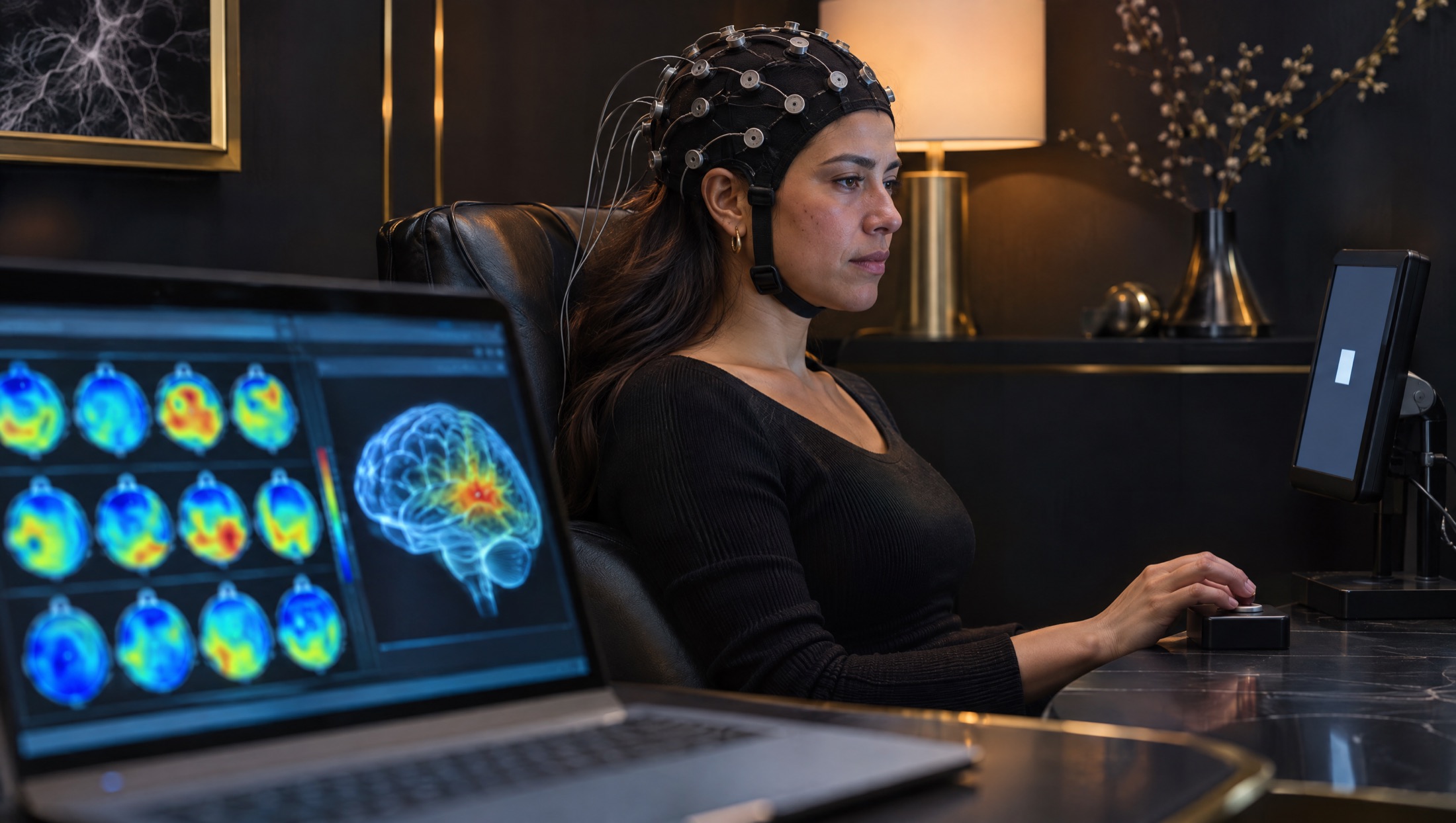
Neurocognitive testing measures memory, attention, processing speed and problem solving with timed tasks on paper or a computer. After a concussion, it shows which thinking skills are working well and which aren't. It takes one to several hours, doesn't hurt, and works alongside a neurologist's exam rather than replacing it.
Why would a neurologist order neurocognitive testing?
Most people with a concussion improve over days to weeks. Some don't. They lose their place mid-sentence, reread the same email three times, or forget why they walked into a room. CT and MRI scans are often normal, because those scans look for bleeding and structural damage, not for how well the brain is working.
Neurocognitive testing fills that gap. It puts numbers on thinking skills and compares them with people of similar age and education. That helps your neurologist:
- See which areas are affected and how much
- Separate concussion effects from the effects of poor sleep, pain, medication or mood
- Track change over time with repeat testing
- Plan treatment, work or school accommodations, and therapy
It's ordered based on your symptoms and exam. Not everyone with a concussion needs it.
What does the test actually involve?
You'll sit with a trained examiner or at a computer in a quiet room. The tasks feel like a mix of puzzles and memory games. You might:
- Repeat lists of words or numbers, then recall them later
- Copy drawings or remember shapes
- Connect numbered dots as fast as you can
- Name as many words as possible that start with one letter
- Respond to targets on a screen and ignore distractions
Some tasks are easy. Some are hard on purpose, so the test can find your ceiling. Nobody gets everything right.
You'll also fill out questionnaires about symptoms, sleep and mood. Those answers help the clinician read your scores in context.
Most testing also includes measures that check whether scores reflect your true ability, since fatigue, low motivation or distraction on the day can pull scores down. That's standard practice in neuropsychological testing, and it protects the accuracy of your results.
How should I prepare?
Treat it like an important appointment:
- Sleep as well as you can the night before
- Eat a normal meal and bring water
- Take your usual medications unless your doctor tells you otherwise, and bring a list of them
- Wear your glasses or hearing aids
- Tell the examiner if you have a headache, feel sick, or didn't sleep, since it may change the plan for the day
Don't study or practice. There's nothing to study for, and practice doesn't help.
If English isn't your first language, say so when you schedule. Testing in your strongest language gives the most accurate picture. All NeuroLUX services are offered in Spanish.
What do the results mean?
Scores are compared to norms for people like you. A result may show that some skills sit in the expected range while others fall below it. Processing speed and attention are common areas affected after a concussion. Memory problems often trace back to attention, since you can't remember what you didn't fully take in.
A low score isn't a permanent label. Many people improve as the brain heals, especially when sleep, headaches, mood and dizziness are treated. A normal result is useful too. It can point the search toward other causes, such as sleep apnea, medication side effects, anxiety or depression, which are all treatable.
Your neurologist combines the testing with your history, exam and any EEG, qEEG or imaging results into one diagnostic opinion. No single test makes the diagnosis on its own.
What happens after testing?
You'll review findings with your clinician. Depending on results, next steps can include:
- Treatment for headaches, sleep or mood
- Cognitive rehabilitation or speech therapy for attention and memory strategies
- Vestibular therapy if dizziness is part of the picture
- Counseling, which can help when anxiety or low mood is slowing recovery
- A graded plan for returning to work, school or driving
- Repeat testing later to measure progress
Where can I get neurocognitive testing in Texas?
NeuroLUX Brain Injury Center offers neurologist-led evaluation of concussion and traumatic brain injury, with neurocognitive testing, EEG, qEEG, brain mapping and DTI MRI when they're clinically indicated. Visits are available at the Irving clinic, 100 E Royal Ln, Suite 125, by tele-neurology anywhere in Texas, and through mobile testing across the entire state of Texas.
Questions about payment? Call 972-920-9111 and our team will walk you through it. All services are offered in Spanish.
Call 972-920-9111 to schedule.
If you have a severe or worsening headache, repeated vomiting, confusion, seizures, weakness or slurred speech, call 911 or go to the nearest emergency department.
Can anxiety or pain change my scores?
Yes, and that's why the clinician asks about them. Headache during testing, a bad night of sleep, strong pain medication or high anxiety can all slow you down. That doesn't make the test useless. It means the results are read alongside how you felt that day. If something is off, tell the examiner before you start. Sometimes the best call is to reschedule.
Frequently asked questions
Is neurocognitive testing the same as an IQ test?
No. It may include some similar tasks, but the goal is to measure specific skills like attention, memory and speed that a brain injury can affect.
How long does it take?
Anywhere from about one hour for a brief computer battery to several hours for a full evaluation. Breaks are allowed.
Can I fail the test?
There's no pass or fail. Scores describe how different skills compare with expected ranges.
How soon after a concussion should I be tested?
It depends on your symptoms. Testing is often most helpful when symptoms last more than a few weeks or are affecting work or school.
Will I need to repeat it?
Sometimes. Repeat testing can show whether thinking skills are improving with treatment.
This article is general information, not medical advice. Testing and treatment depend on an individual clinical evaluation, and results vary.
Written by Sung Won, MD. Published Nov. 9, 2026.